

The Ultimate Checklist for Buying a Used Car in Denver, CO
When you’re shopping for a used vehicle, it’s easy to focus on the first thing that stands out, whether that is the price, the mileage, or how clean it looks in photos. A checklist for buying a used car helps you look at things that might have slipped your mind, compare your options more carefully, and avoid costly surprises.
In Denver, where drivers need reliability for both everyday travel and severe Colorado weather, that kind of preparation can make all the difference. Whether you are buying a used car for the first time or replacing your current vehicle, the right checklist helps you focus on value, condition, and long-term fit.
Why Having a Checklist for Buying a Used Car Helps You Make a Better Decision
A checklist makes it easier to evaluate a used car systematically. Instead of only considering price or appearance, you can examine factors that influence long-term value, such as maintenance history, condition, mileage, and potential repair costs.
This is especially useful when comparing multiple vehicles. Two cars might look similar at first, but one could be a better value based on ownership history, overall condition, and how well it has performed in Colorado driving conditions. A checklist also helps you ask smarter questions, so you can make a decision based on more than just the initial impression.
At Centennial Leasing & Sales, we believe car shopping should feel straightforward and informed. We want our clients to feel comfortable, not pressured. A checklist keeps the process organized and gives you more confidence from the first search to the final signature.
Your Used Car Buying Checklist
A solid checklist for buying a used car should guide you step by step, rather than rushing into the purchase. Here are the key areas we suggest reviewing before you commit.
1. Set Your Budget
Start with your total budget, not just the sticker price. Think about your down payment, monthly payment, insurance, registration, fuel, and routine maintenance. If you want to stay flexible, then you should leave room for the unexpected.
This step also helps you narrow your search faster. When you know your range, you can focus on vehicles that fit your financial comfort zone instead of chasing options that stretch you too far.
2. Choose the Right Type of Car
Consider your typical driving habits. Do you require a commuter car for everyday travel, an SUV for family activities, or a vehicle with extra cargo space for weekend getaways?
Denver drivers often need a car that performs well in city traffic and adapts to changing road conditions outside the city. The ideal vehicle isn’t necessarily the largest or the one with the most features; rather, it’s the one that aligns with your routine, priorities, and ownership objectives.
3. Compare Similar Cars
Compare similar vehicles side by side to evaluate model year, mileage, trim, accident history, service records, and condition. Examining multiple options will help you determine fair pricing and value expectations.
It is also smart to think about resale value. Some makes and models tend to hold their value better than others, and factors like brand reputation, desirability, mileage, condition, and cost of ownership can all affect how well a vehicle retains value over time. Keeping resale in mind can help you choose a used car that makes sense now and later if you decide to trade it in or sell it.
4. Check the Vehicle History Report
A vehicle history report reveals details often missed initially, such as title issues, insurance loss, salvage history, and odometer data. Start at vehiclehistory.gov, which leads to National Motor Vehicle Title Information System (NMVTIS)-approved providers, not dealerships. The FTC recommends using this site to review a used vehicle’s history before buying. When looking at the reports, pay special attention to title brands, odometer issues, or other gaps, and ask questions before proceeding.
It is important to remember that a report is just a starting point. It should be combined with the vehicle’s condition, service records, and an independent inspection.
5. Inspect the Car Inside and Out
Take time to look closely at the exterior and interior. Check for dents, scratches, uneven paint, cracked glass, worn upholstery, broken controls, and dashboard warning lights. Open the doors, test the windows, and make sure the technology works the way it should.
You are not looking for perfection, so don’t be turned off by minor wear and tear. The vehicle’s condition should make sense for its age, mileage, and price.
CLS is ready to help you start looking for your next used car.
6. Look for Weather-Related Wear
Driving in Colorado, pay attention to tire condition, windshield chips, worn wiper blades, battery strength, and signs of extra wear from snow, highway driving, or mountain travel. Seasonal temperature swings and year-round sun exposure can also affect rubber, paint, and interior materials.
This is a detail many buyers miss, but it can tell you a lot about how the vehicle has held up over time.
7. Take a Test Drive
A test drive should tell you more than whether the car feels comfortable. Listen for unusual noises, pay attention to braking and steering, and notice how the vehicle accelerates, shifts, and handles turns. Test the visibility, seat comfort, and technology while you drive.
Try to drive in a few different settings if possible. A quick loop around the block may not reveal the same things as stop-and-go traffic or a higher-speed road.
8. Get a Pre-Purchase Inspection
A pre-purchase inspection is one of the smartest steps in the process. A trusted mechanic can spot issues that may not show up during a walkaround or test drive. That includes mechanical wear, leaks, suspension concerns, and signs of previous repairs.
This step can save you from expensive surprises later. It can also give you peace of mind if the vehicle checks out well.
9. Review the Price and Paperwork
Before you say yes, review the full deal carefully. Confirm the final sale price, taxes, registration costs, financing terms, warranty information, and any additional fees. Ask questions if something looks unclear.
This is also the time to verify that the title, bill of sale, and any lender documents are accurate. A good experience should feel transparent from start to finish.
Used Car Buying Tips to Help You Shop with Confidence
Some of the most helpful used car buying tips come down to staying patient and paying attention to the details. Try to focus on overall value, not just the lowest price. A cheaper car is not always the better choice if it has a poor history, more wear, or higher repair costs down the road.
It also helps to think beyond the vehicle itself. Consider who is helping you through the process, how clearly the pricing is explained, and whether you feel like someone is actually listening to what you need. If you are still deciding on the best place to buy used cars, look for a team that offers transparency, guidance, and the space to make the right decision without pressure.
At CLS, our goal is to make the process easier. We assist clients in comparing options, evaluating trade-offs, and moving forward with confidence rather than uncertainty.
Mistakes to Avoid When Buying a Used Car
Even with a strong checklist, a few missteps can make the process harder than it needs to be. As you shop, try to avoid these common mistakes:
- Rushing your decision: It takes time to compare options and choose a vehicle that truly fits your needs.
- Shopping without a clear plan: Going into the process without clear priorities can make it easier to get distracted by features that do not matter as much to your daily life.
- Letting emotions lead the process: It is easy to get attached to a vehicle too quickly, especially when it looks great or seems like a rare find.
- Not asking enough questions: Clear answers about pricing, ownership, and next steps can help you feel more confident before you move forward.
- Trying to do everything on your own? The right car-buying assistance can simplify the process and give you extra peace of mind.
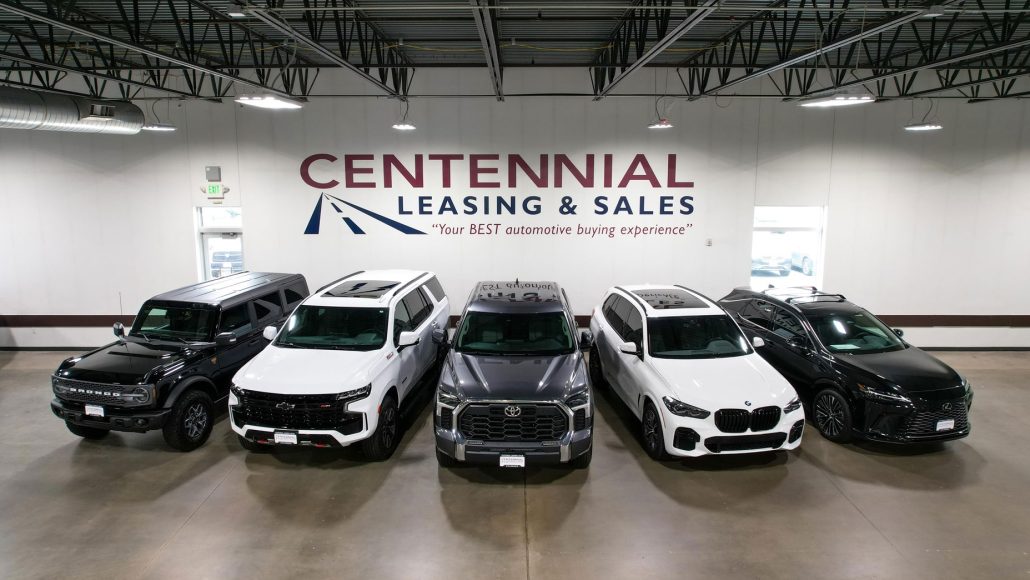
Start Your Used Car Search with Centennial Leasing & Sales
If you need more than a basic checklist for buying a used car, we’re here to assist you. At Centennial Leasing & Sales, we guide you with honest advice, clear communication, and a focus on building a relationship. We can help you compare vehicles, explore your options, and find a used car that suits your needs without the pressure often found in traditional car dealerships.
We believe buying the right vehicle should feel easier, more transparent, and far less stressful. When you are ready to start your search, our team is ready to help you move forward with confidence.